Get a Spa Experience at Home With a Water Filtration System
October 12, 2026
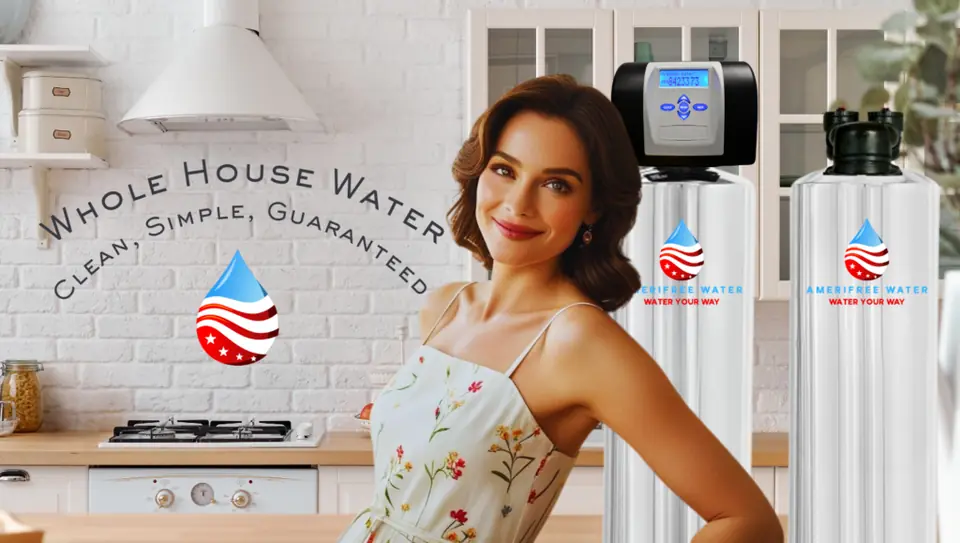
Whole House Water
Filtration Systems
Save $500 For
a Limited Time!
Call or Text
A disinfectant odor can lead homeowners to ask about shower-water treatment. Public drinking-water disinfection and swimming-pool exposure should not be treated as interchangeable situations.
Utilities use disinfectants to control germs and monitor regulated limits. Chlorine and chloramine at permitted drinking-water levels are not, by themselves, evidence that bathing is unsafe. For local results, use your supplier’s report rather than a general regional claim.
A suitable filter can reduce chlorine taste and odor. A chloramine claim requires equipment designed for that purpose. Do not assume a standard shower filter or whole-home carbon tank removes every disinfection byproduct, metal, or microorganism.
Shower temperature, products, skin conditions, and water hardness can all affect comfort. Filtration should not be advertised as preventing cancer, treating eczema, or resolving respiratory illness. If hardness removal is your goal, discuss a softener; conditioning and ordinary carbon filtration do not remove calcium and magnesium.
AmeriFree Water can help you compare filtration, conditioning, and softening options. A basic in-home assessment is not a comprehensive laboratory test. Ask which measurements are included and what additional testing may be appropriate.
Request a personalized system recommendation or call (888) 842-3373.